

I Planned One Expense… and It Changed My Entire Financial Year
What happens when you actually plan your finances for a full year? A simple experiment revealed a hidden cash shortfall—and a smarter way to stay ahead.
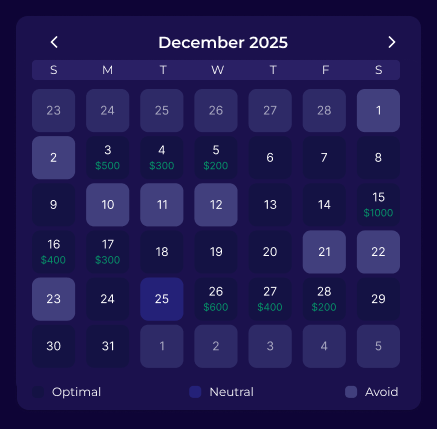
A few weeks ago, I did something I had never really done before.
I tried to plan my entire financial year.
Not just this month. Not just “I’ll save something.”
I mean all 365 days — income, expenses, everything.
At first, it felt unnecessary. Like… who even plans that far?
But then I thought about something simple:
Whenever we travel somewhere important, we don’t just start driving. We check the route, traffic, fuel, everything.
So why don’t we do that with money?
The Moment Everything Changed
While planning, I remembered something:
Around 10 months from now, I might have a big expense. Something unavoidable.
Normally, I would’ve ignored it.
“Dekhi jayegi…” mindset.
But this time, I decided to actually add it into a full-year financial plan.
And that’s where things got interesting.
The Reality Hit Hard
When I mapped everything out, I saw something I didn’t expect:
👉 I would be short by about $1,000 in that month.
Not broke. Not in debt.
But definitely in trouble.
And the scary part?
If I hadn’t planned it, I would’ve only realized it when it was too late.
That’s exactly how most people live financially — reacting instead of planning. And that’s why so many people feel financially stressed or unprepared .
The Power of Seeing the Future
Here’s what changed for me:
Instead of panicking later, I had time.
Time to:
Adjust my spending
Add a small extra income stream
Save a little more each month
And suddenly… that $1,000 problem wasn’t a problem anymore.
It became a plan.
That’s the difference financial planning makes — it turns uncertainty into control. It helps you prepare for unexpected situations and reduces stress significantly .
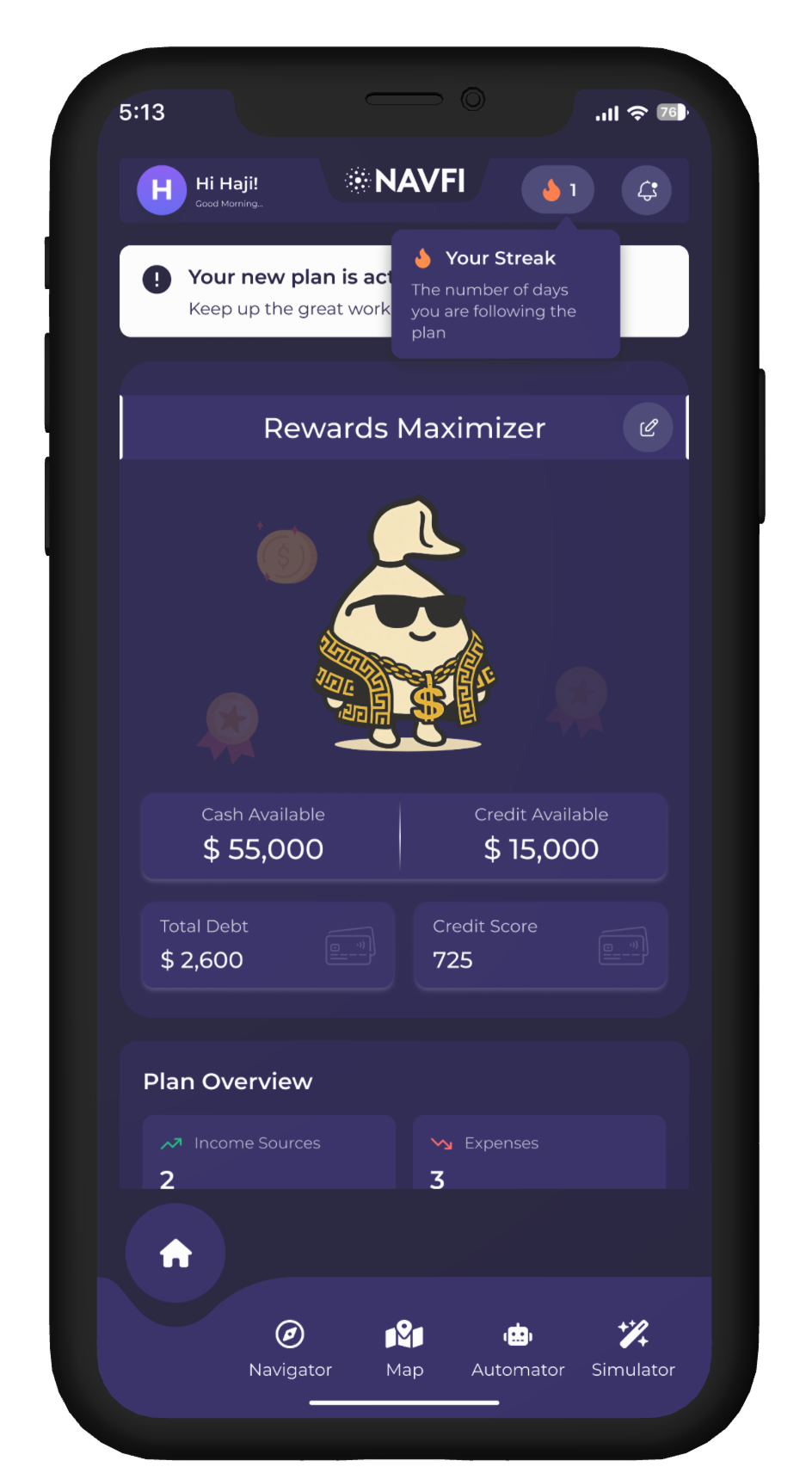
This Is Where NavFi Comes In
Honestly, doing all this manually would’ve been messy.
Spreadsheets, calculations, guesswork…
That’s where NavFi changed the game for me.
Instead of guessing, I could:
Plan my entire 365-day financial timeline
Add future expenses (even months ahead)
Instantly see how they affect my cash flow
Predict shortfalls before they happen
So when I added that 10th-month expense…
It didn’t just sit there.
It showed me the exact impact on my future.
And more importantly, it showed me how to fix it.
A Small Shift, A Big Difference
Most people don’t have a money problem.
They have a visibility problem.
They don’t see:
What’s coming
What’s missing
What’s about to go wrong
And by the time they do… it’s already too late.
Final Thought
That one planned expense changed how I look at money.
Now I don’t just ask:
“Can I afford this today?”
I ask:
“What will this do to my future?”
Because managing money isn’t about reacting.
It’s about seeing ahead.
More from the blog

How far ahead should you plan your cash flow?
The right cash-flow horizon is a rolling 14 to 30 day window. Not a year, not a day. Here is why, and what a two-week view catches that a budget misses.

Why is your bank balance not your available spending money?
Your balance is what the bank has cleared. Spending money is what's left after pending charges and scheduled bills. Here is how $1,900 becomes $310.

How do you calculate what you can safely spend today?
Your balance is not what you can safely spend. Here is the one-line formula for safe-to-spend today, worked through with real numbers.